
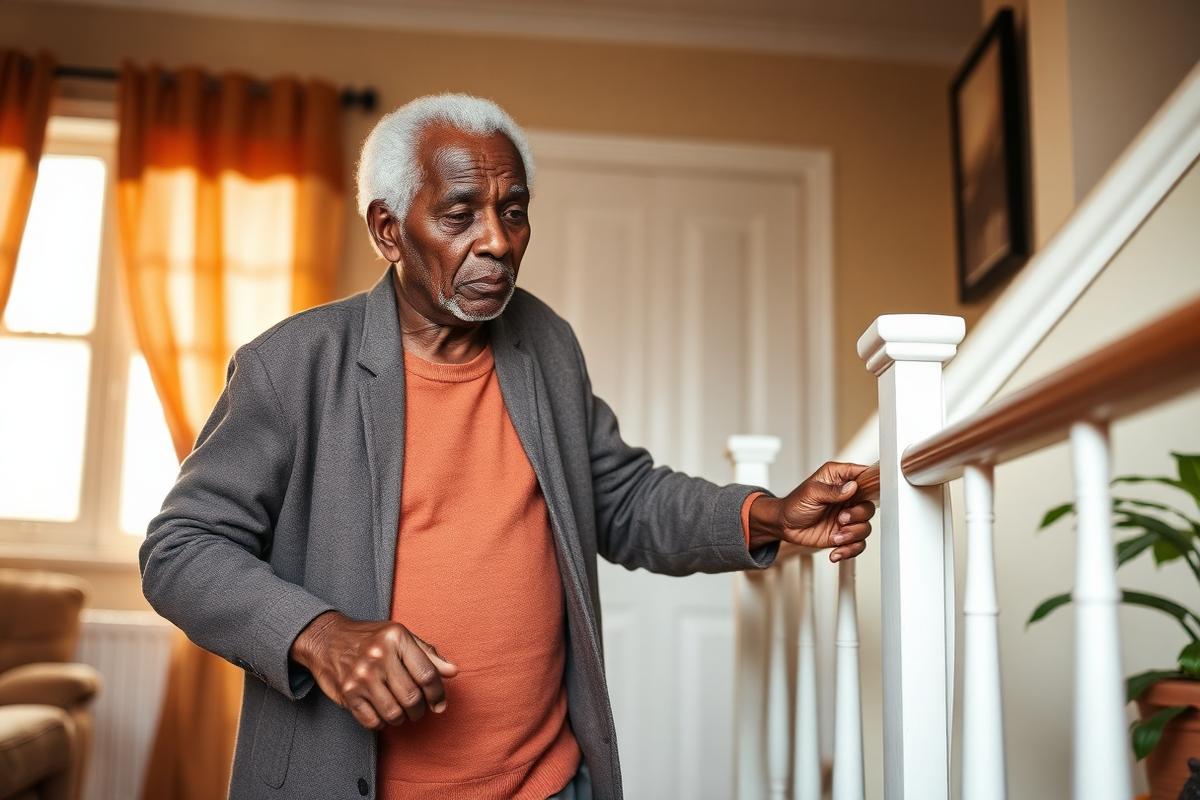

As our parents grow older, their needs begin to change. Many families in Kenya want their elderly parents to stay at home, surrounded by familiar people and places. While this is a good wish, it can become difficult when age, illness, or weakness makes daily life harder for them.
Sometimes, the signs that an elderly parent needs help are not very obvious. Other times, families notice the problem when it has already become serious. Understanding these signs early can help you make the right decision and protect your loved one’s health, safety, and dignity.
In this article, we will explain the common signs your elderly parent may need homecare services in Kenya, and why professional homecare can make a big difference.
What Are Homecare Services?
Homecare services involve trained caregivers or nurses who provide medical or non-medical support to elderly people in their own homes. These services can include:
- Personal care (bathing, dressing, grooming)
- Medication support
- Nursing care
- Help with mobility
- Meal preparation
- Companionship
- Care for chronic illnesses
Homecare allows seniors to stay at home while still receiving proper care.
1. Difficulty with Daily Activities
One of the clearest signs your elderly parent needs homecare is struggling with daily activities.
These activities include:
- Bathing or showering
- Dressing properly
- Using the toilet
- Eating meals
- Moving around the house
If your parent is skipping baths, wearing dirty clothes, or unable to cook, they may need assistance. In Kenya, many elderly people are proud and may not openly ask for help. A professional caregiver can assist respectfully and safely.
2. Frequent Falls or Fear of Falling
Falls are very dangerous for elderly people. A simple fall can cause:
- Broken bones
- Head injuries
- Long hospital stays
- Loss of independence
If your parent has fallen recently or is afraid of walking without support, this is a serious warning sign. Slippery floors, stairs, and uneven compounds increase the risk.
Homecare providers help with:
- Safe movement around the house
- Using walking aids
- Monitoring balance and strength
- Preventing falls before they happen
3. Forgetting Medication or Medical Appointments
Many elderly parents in Kenya take medication for:
- Blood pressure
- Diabetes
- Heart conditions
- Arthritis
If your parent:
- Forgets to take medicine
- Takes the wrong dose
- Misses clinic appointments
- Cannot explain what medication they are using
then they may need homecare support. A trained caregiver or nurse ensures medication is taken correctly and on time, reducing health risks.
4. Poor Personal Hygiene and Home Cleanliness
Changes in hygiene are often a sign that something is wrong.
Look out for:
- Strong body odor
- Dirty clothes
- Unclean bedding
- A messy or unsafe home
This may happen because your parent is too weak, sick, or depressed to clean or bathe properly. Homecare services help maintain cleanliness, which is important for health, comfort, and dignity.
5. Weight Loss or Poor Eating Habits
Sudden weight loss or poor eating is a major concern.
Signs include:
- Skipping meals
- Eating the same food every day
- Spoiled food in the house
- Complaints of no appetite
Poor nutrition weakens the immune system and worsens chronic illnesses. A homecare caregiver can:
- Prepare healthy meals
- Encourage regular eating
- Help with feeding if needed
- Follow special diets recommended by doctors
6. Memory Loss and Confusion
Memory problems are common as people age, but serious confusion should not be ignored.
Watch for:
- Forgetting names or familiar places
- Repeating the same questions
- Getting lost
- Confusion about time or day
- Leaving gas or appliances on
These may be signs of dementia or Alzheimer’s disease. Homecare services provide supervision and support, helping elderly parents stay safe at home for as long as possible.
7. Chronic Illness or Long-Term Medical Conditions
If your parent has long-term illnesses such as:
- Diabetes
- Stroke
- Arthritis
- Parkinson’s disease
- Heart disease
they may need professional care at home. Managing these conditions alone can be overwhelming, especially if family members are working or living far away.
Home nursing services in Kenya can assist with:
- Monitoring vital signs
- Wound care
- Physiotherapy
- Post-hospital recovery
- Pain management
8. Social Isolation and Loneliness
Loneliness is a serious issue among elderly people. Many parents live alone after children move away or after losing a spouse.
Signs of loneliness include:
- Withdrawal from friends or family
- Loss of interest in hobbies
- Sadness or depression
- Sleeping too much
Homecare is not only about physical health. Caregivers provide companionship, conversation, and emotional support. This improves mental health and overall well-being.
9. Family Caregiver Burnout
Sometimes, the sign is not only in the elderly parent—but also in the family.
If you feel:
- Constantly tired
- Stressed or overwhelmed
- Guilty for not doing enough
- Unable to balance work and caregiving
then it may be time to consider professional homecare. Getting help does not mean you have failed. It means you care enough to seek the best support for your loved one.
10. Unsafe Living Conditions
An unsafe home environment can put your elderly parent at risk.
Warning signs include:
- Cluttered rooms
- Poor lighting
- Broken floors or steps
- Unsafe cooking areas
Homecare professionals can identify risks and help make the home safer, reducing accidents and emergencies.
Why Choose Homecare Services in Kenya?
Homecare services offer many benefits, including:
- Care in a familiar environment
- Personalized attention
- Lower cost compared to long hospital stays
- Peace of mind for families
- Respect for cultural values and family bonds
With the right homecare provider, elderly parents can live comfortably and safely at home.
When Should You Act?
Do not wait for a medical emergency. If you notice one or more of these signs, it is time to explore homecare options. Early support prevents bigger problems later and improves quality of life.
Final Thoughts
Caring for an elderly parent is an act of love, but it should not put their safety or your health at risk. Homecare services in Kenya provide professional, compassionate support that helps elderly parents live with dignity and comfort.
If you are unsure whether your parent needs help, speak to a healthcare professional or a trusted homecare provider. Taking action early can make a big difference.